Language

Calibration technician verifying measuring instruments in a metrology laboratory

Calibration Services

Calibration with measurement confidence and traceability

Maintain reliable measurement systems with planned calibration controls that support quality assurance, compliance, and process accuracy.

What Is Calibration?

Verification of measurement accuracy against traceable references

Calibration services confirm that measurement equipment performs within defined tolerance by comparing outputs against traceable reference standards.

It supports confidence that monitoring and test equipment produce reliable results within acceptable tolerance ranges.

SNS Certification supports organizations in structuring calibration programs for quality systems, regulatory needs, and operational risk control.
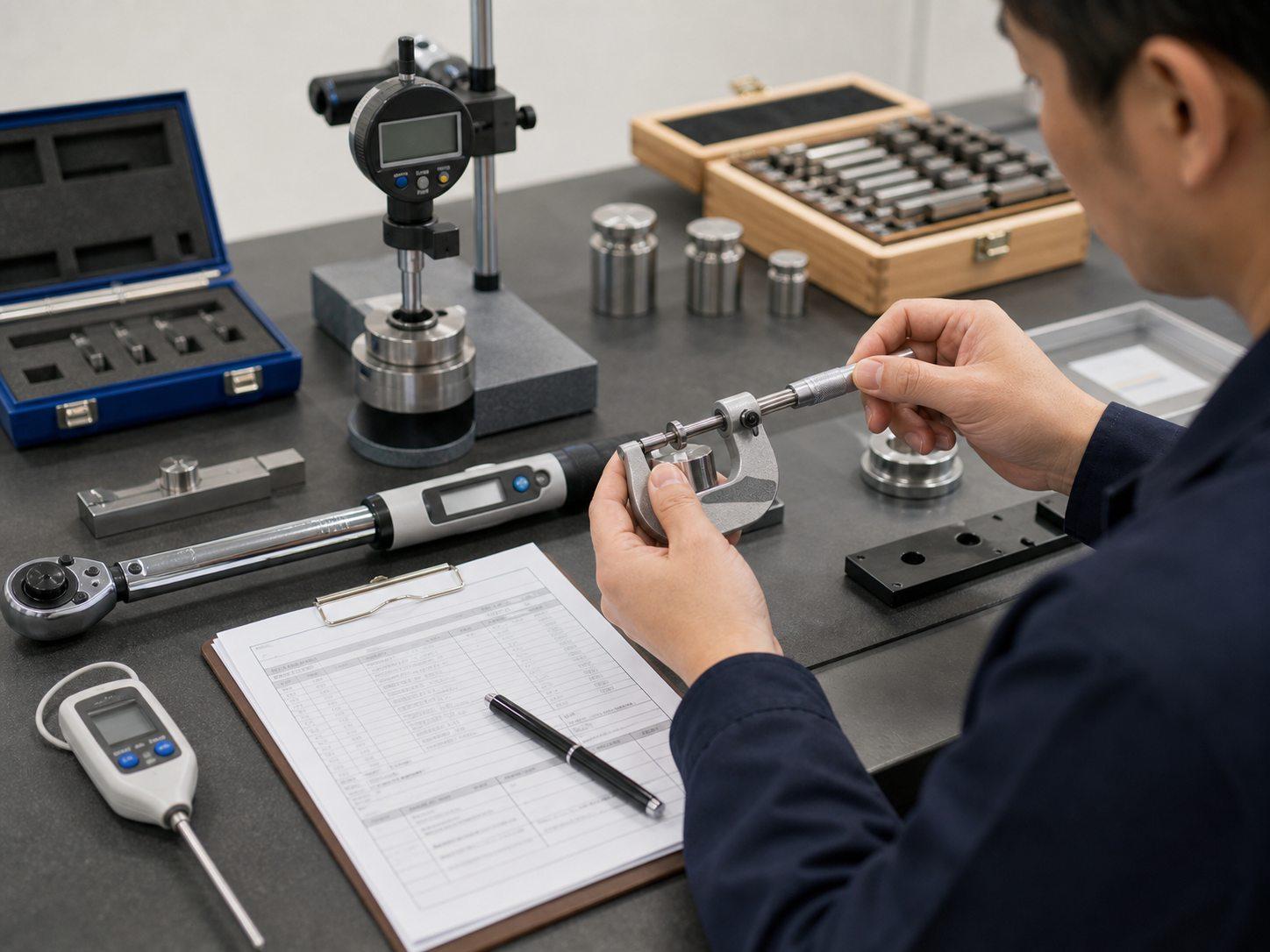
Precision instruments and reference standards used for traceable calibration

How It Helps Business

Reliable measurement as a foundation of quality decisions

Measurement errors quietly affect inspection, release, testing, and process-control decisions. A disciplined calibration program keeps critical instruments traceable, in tolerance, and supported by records auditors can follow.

01

Improved process and product accuracy

Reliable instruments reduce decision errors in production, inspection, and acceptance activities.

02

Reduced quality escapes

Planned calibration controls help prevent out-of-tolerance measurements from affecting released output.

03

Audit and compliance readiness

Traceable calibration records support certification audits, customer evaluations, and regulatory checks.

04

Lower rework and hidden cost

Accurate measurement improves first-time-right outcomes and reduces investigation/rejection cycles.

Standards and Schemes

Calibration controls aligned to instrument risk and traceability needs

Calibration planning should match instrument criticality, usage frequency, and tolerance requirements. SNS Certification supports a risk-based calibration framework.

ISO/IEC 17025
Calibration laboratory competence
Defines requirements for technically valid calibration and measurement traceability.
ILAC Traceability
International traceability principles
Supports confidence that measurement results link to recognized reference standards.
ISO 10012
Measurement management systems
Guides measurement process control and metrological confirmation.
Manufacturer methods
Instrument-specific calibration procedures
Ensures calibration reflects device function, range, and intended application.
National standards
Country-recognized reference requirements
Supports conformity to local legal metrology and technical control frameworks.
Uncertainty evaluation
Measurement confidence reporting
Improves reliability and interpretation of calibration results.
Sector protocols
Industry-driven calibration programs
Aligns calibration frequency and methods to sector risk and performance expectations.
1
2
3
4
5
6
Traceability

Calibration Control

From instrument register to traceable calibration records

Calibration planning starts with knowing which instruments matter most, how they are used, what tolerance is acceptable, and which records prove measurement confidence.

  1. 1Build or review the instrument register, equipment ranges, locations, and measurement criticality.
  2. 2Define calibration intervals, tolerances, reference standards, and traceability expectations.
  3. 3Schedule instruments to reduce operational disruption and protect production or inspection needs.
  4. 4Perform calibration or coordinate competent calibration support using suitable methods and references.
  5. 5Review results, out-of-tolerance impact, uncertainty where applicable, and certificate completeness.
  6. 6Maintain records, due dates, status labels, and escalation rules for instruments that drift or fail.

Strengthen quality outcomes with traceable calibration control

SNS Certification supports organizations in building dependable, risk-based calibration programs that protect measurement integrity and compliance confidence.